The Off-the-Rack Suit Checklist: 7 Details to Inspect Before Buying
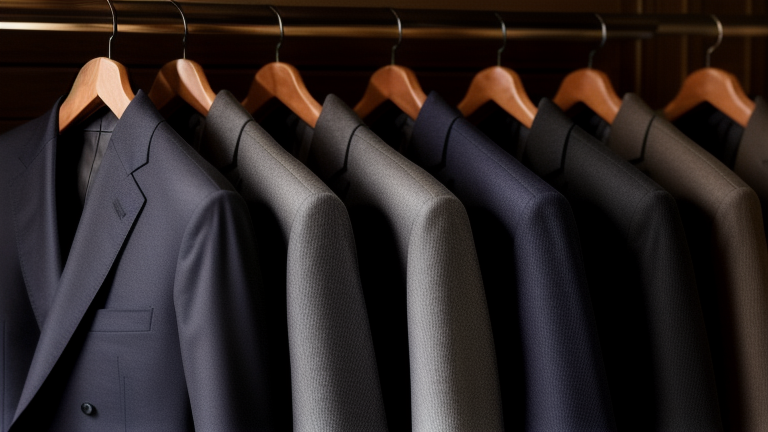
Most men judge a suit by how it looks in the fitting-room mirror and little else. That is a mistake, because the mirror tells you almost nothing about how the garment is actually built — and construction quality is what determines whether a suit still looks sharp after twenty wears or starts sagging, bubbling, and losing shape within a season. Before handing over a card for any off-the-rack suit, run through this seven-point checklist. None of it requires special tools, just a few extra minutes in the fitting room.
1. Check the Canvassing by Pinching the Chest
The canvas is the internal structure that gives a jacket its shape and roll. To check it, pinch the fabric of the chest panel, between the lapel and the armhole, and gently pull it away from the lining. If you feel a distinct, slightly stiff layer moving somewhat independently between the outer cloth and the lining, that indicates a floating or half-canvas construction — generally more durable and better-draping over time. If the outer fabric and lining feel fused together with no separate layer, it’s likely fused (glued) construction, which is common at lower price points but tends to bubble or separate from the fabric after repeated wear and dry cleaning cycles.
2. Inspect the Armhole Stitching
Run a finger around the inside of the armhole seam. Hand-finished or higher-quality machine stitching will feel relatively smooth and tight, with evenly spaced stitches. A higher, tighter armhole generally allows better arm mobility without the whole jacket shifting when you raise an arm — a detail that matters far more in daily wear than it seems in a stationary mirror check. Raise your arm fully while wearing the jacket: if the entire torso of the jacket rides up with it, the armhole is cut too low or too loose.
3. Look at the Lapel Roll, Not Just the Lapel Shape
A well-constructed lapel should roll softly in a gentle curve from the collar down to the first button, rather than lying perfectly flat against the chest. Flat, flush lapels usually indicate the canvas (or fusing) underneath wasn’t properly shaped during construction. Hold the lapel and let it fall naturally — a slight three-dimensional roll is a good sign; a stiff, paper-flat lapel is not.
Turn back the lapel and check the buttonhole stitching on the underside. Dense, tightly looped stitching with no loose or frayed threads indicates careful finishing. On the sleeve cuffs, check whether the buttonholes are functional (true “surgeon’s cuffs” that actually open) or purely decorative — this doesn’t affect quality directly, but functional buttonholes are generally found on better-constructed garments and offer a small tailoring advantage if sleeve length ever needs adjusting.
5. Pull Gently on the Seams
Pick a few key seams — the shoulder seam and the side seam under the arm — and apply light tension with your fingers. Seams that are sewn with a tight, even stitch will resist slightly and show no gapping. Seams that pucker, pull apart slightly, or reveal glue residue under tension suggest lower-grade construction that may not hold up to dry cleaning and regular wear.
6. Check for Pattern Matching at the Seams
If the fabric has any visible pattern — stripes, checks, or herringbone — look at where panels meet, especially at the side seams and where sleeves attach to the shoulder. Careful manufacturers align the pattern across seams so stripes or checks continue uninterrupted. Mismatched patterns at a seam are a quick, visible signal of rushed or lower-cost manufacturing, even if everything else about the jacket feels fine.
7. Assess the Drape While Standing and Moving
Finally, don’t just stand still in front of the mirror. Walk a few steps, sit down briefly, and raise both arms. A well-constructed jacket should return to its shape after movement rather than staying wrinkled or twisted. Pay particular attention to the back: a horizontal pull line across the shoulder blades when standing naturally usually means the jacket is too tight through the back panel, a fit issue that is difficult and expensive to correct through alteration.
Why This Checklist Matters More Than the Price Tag
Price is a weak proxy for construction quality — plenty of mid-range suits use full or half canvas, and plenty of expensive-looking suits cut corners with fused construction and rushed finishing. Running through these seven checks takes perhaps five extra minutes in the fitting room, but it tells you far more about how the suit will perform after a dozen wears and several dry cleaning cycles than any price tag or brand name on the label.
When Alteration Can Save a Suit, and When It Can’t
Minor fit issues — sleeve length, trouser break, slightly loose waist — are easily and inexpensively corrected by any competent tailor. Structural issues, however, are a different matter. A jacket with a fused chest that’s already begun to bubble, a back panel that’s genuinely too narrow across the shoulders, or an armhole cut too low cannot be meaningfully fixed through alteration without essentially rebuilding the garment. Knowing which category a flaw falls into — cosmetic fit versus structural construction — is exactly what this checklist is designed to clarify before you commit to buying.
Quick Reference: The Seven-Point Fitting Room Check
- Pinch the chest panel to feel for a separate canvas layer rather than fused fabric.
- Run a finger around the armhole seam and raise your arm to test mobility.
- Let the lapel fall naturally and look for a soft three-dimensional roll.
- Turn back the lapel and inspect buttonhole stitching density on the underside.
- Gently pull key seams at the shoulder and side to check for gapping or glue residue.
- Check pattern alignment across visible seams on striped or checked fabric.
- Walk, sit, and raise both arms to see whether the jacket returns to shape cleanly.
Keep this list in mind the next time you’re standing in a fitting room with three near-identical navy suits on the rack. The one that passes all seven checks is very likely the one still holding its shape — and its price-per-wear value — long after the other two have been relegated to the back of the closet.